|
|
IN THE SEPTEMBER EDITION
LWR’s Athian Carbon Protocol Is
Official
What Could That Mean for Your Herd?
LWR Heads to Warsaw
Karleigh's Korner: The Newlywed Edition 💍
Why We’re Watching California
Did You Know? Your LWR System
Can Come Enclosed
What’s Your Biggest Manure
Management Headache?
Science Says: Stop Paying to
Haul Water
Opening New Doors for Dairy
Innovate Today. Nourish
Tomorrow.
| |
|
|
|
IT’S OFFICIAL: LWR'S ATHIAN CARBON PROTOCOL IS APPROVED! |
|
|
|
|
|
LWR’s carbon protocol has officially been published by
Athian and is approved for use on the Athian platform, creating a defined
pathway to quantify and verify methane reductions from LWR manure treatment
technology.
|
|
Athian protocols provide the standardized methodology for
implementation, data collection, quantification and verification. For dairy
producers, that means another credible pathway for turning methane avoidance
into measurable value.
|
|
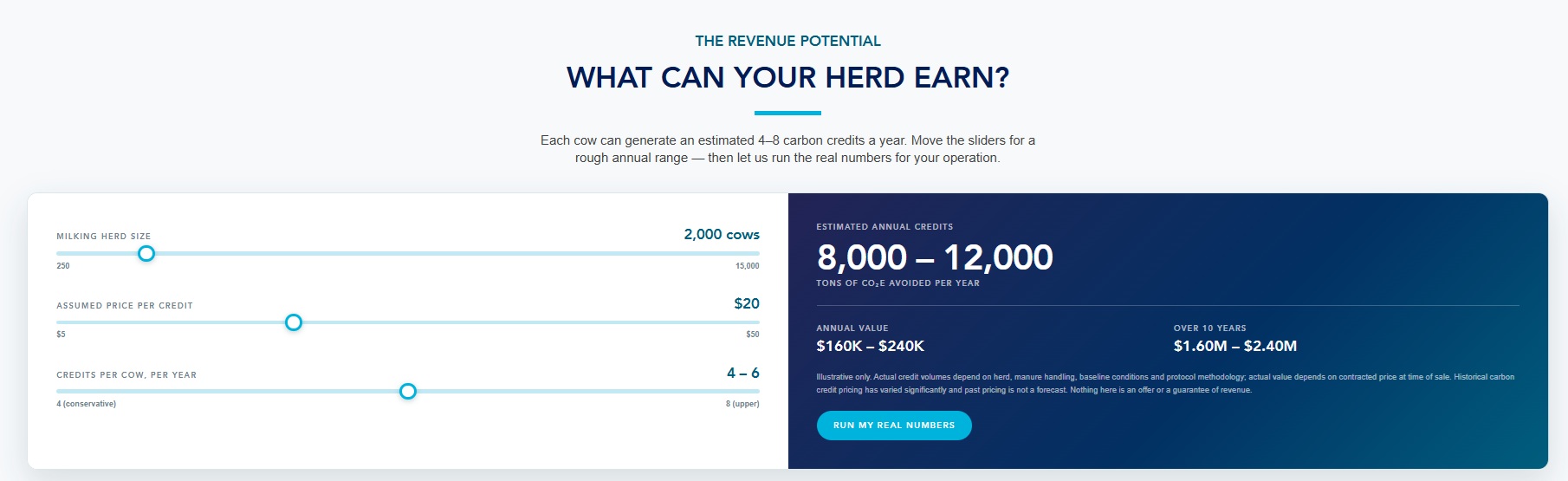
An LWR dairy can generate an estimated 4–8 carbon credits
per cow, per year, depending on herd size, manure handling, baseline conditions
and protocol methodology. One carbon credit represents one metric ton of CO₂e
avoided.
|
|
|
|
|
|
WHAT COULD YOUR HERD EARN? |
|
|
|
Move the sliders on LWR’s Carbon Calculator to see an
estimated annual credit range, test different carbon prices and explore the
potential value over 10 years.
|
|
Your manure is already working. See what else it could
earn.
|
|
|
|
|
|
|
|
|
|
|
|
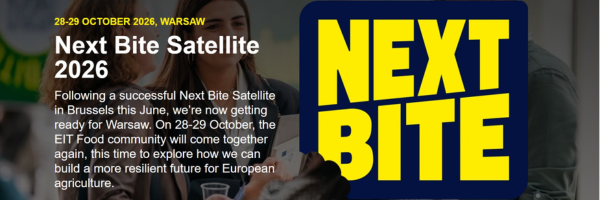
LWR has been selected as an exhibiting startup at EIT Food’s
Next Bite Satellite: Resilient Agriculture, taking place October 28–29 in
Warsaw.
|
|
The invitation-only event brings together the EIT Food
community to explore what it takes to create farming systems that are
sustainable, resilient and ready for an uncertain future.
|
|
We’re excited to bring LWR’s approach to resource recovery
and value capture to the conversation.
|
|
|
|
|
|
|
|
|
|
|
|
KARLEIGH’S KORNER: THE NEWLYWED EDITION 💍 |
|
We’re taking a little break from manure talk this month for
a very good reason...
|
|
|
|
Congratulations to Karleigh and Brett on tying the knot in
September!
|
|
Wishing the newlyweds a lifetime of love, laughter and many MORE
adventures together.
|
|
|
|
|
|
|
|
WHY WE’RE WATCHING CALIFORNIA
|
|
|
|
California just made nutrient management an even bigger
conversation for dairy.
|
|
On September 16, the State Water Resources Control Board
adopted new rules aimed at protecting groundwater from nitrogen associated with
the overapplication of dairy manure.
|
|
One part really caught our attention: the order specifically
encourages the large-scale export of treated manure from dairies to other
agricultural lands where those nutrients can be put to use.
|
|
Getting nutrients where they’re needed means making them
easier and more economical to manage, move and use.
|
|
Nutrient concentration. Transportability. Value capture.
|
|
|
|
LWR and our California distributor, Figure 8 Environmental,
are already helping dairies across the state turn manure-management challenges
into opportunities for resource recovery and value creation.
|
|
In fact, Pete Postma and Sons Dairy recently became the
first California dairy to receive verified methane-avoidance carbon credits
from flocculant-assisted manure separation using LWR’s First Wave™ system, with
support from Figure 8 Environmental.
|
|
|
|
|
|
|
|
YOUR LWR SYSTEM DOESN’T NECESSARILY NEED ITS OWN BUILDING |
|
|
|
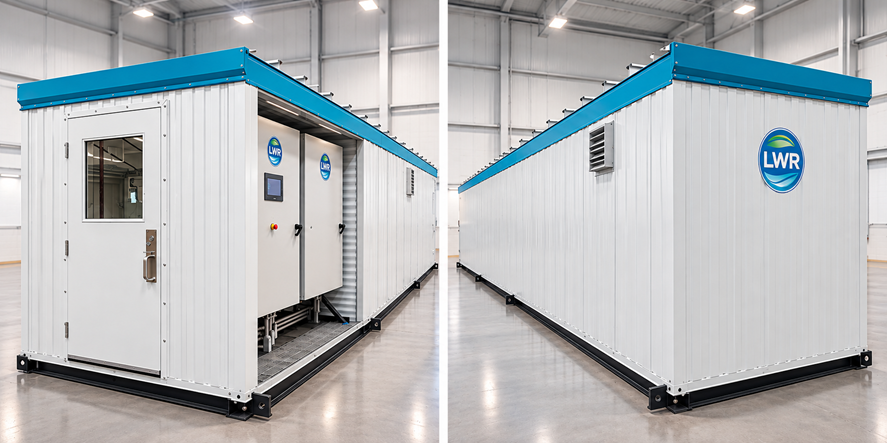
LWR systems can be supplied in an enclosure, helping reduce
the need and expense of constructing dedicated on-site building infrastructure.
|
|
For farms where building space, construction costs or site
layout are a consideration, an enclosed system can offer another way to make
the technology fit the operation.
|
|
Less infrastructure. More flexibility.
|
|
Those are the conversations we love having with producers.
|
|
|
|
|
|
WHAT’S YOUR BIGGEST MANURE MANAGEMENT HEADACHE? |
|
|
|
|
|
We know manure management looks a little different on every farm, so we’re curious… what’s giving you the biggest headache right now? |
|
|
|
SCIENCE SAYS: STOP PAYING TO HAUL WATER 😉 |
|
|
|
A new 2026 study looked at the economics of using separated
dairy manure solids as a substitute for phosphorus fertilizer.
|
|
One finding really jumped out at us. Reducing moisture can
increase the economically viable hauling distance of separated manure solids.
|
|
Which makes sense when you think about it.
|
|
Water is heavy. And when valuable nutrients need to travel
farther from where the manure was produced, paying to haul unnecessary water
can quickly eat into their value.
|
|
Less water to haul. More options for where nutrients can
go.
|
|
Sometimes the science confirms what your fuel bill
already knows. 😉
|
|
|
|
|
|
OPENING NEW DOORS FOR DAIRY
|
|
|
|
The dairy world is together in Madison this week for World Dairy Expo, and we LOVE this year’s theme: Opening New Doors for Dairy.
|
|
And just down the road, we got to do exactly that.
|
|
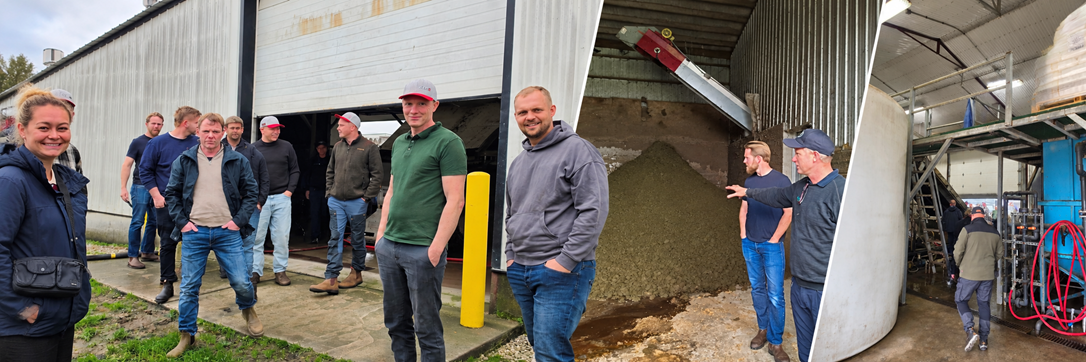
Robinway Dairy and welcomed a group from FAN Separator for a firsthand look at how manure management and resource recovery are working on a real dairy operation.
|
|
More than a decade after installing LWR technology, Robinway is now milking approximately 2,100 cows while recovering water, managing nutrients, reducing labor and creating new value streams from manure.
|
|
25,000 gallons of water reused every day. Nutrients put to work. Carbon opportunities created. And MORE value captured from what’s already on the farm.
|
|
That’s what opening new doors for dairy looks like to us.
|
|
|
|
|
|
INNOVATE TODAY. NOURISH TOMORROW.
|
|
|
|
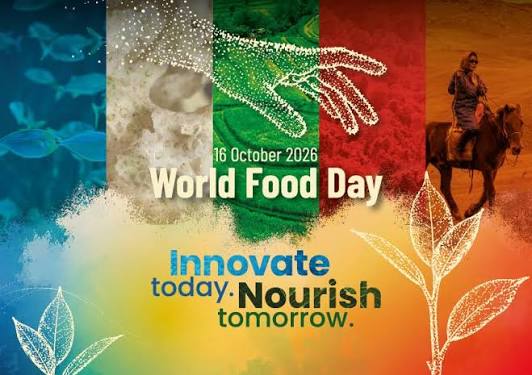
October 16 is World Food Day, and this year’s theme is Innovate
today. Nourish tomorrow.
|
|
It’s a good reminder that feeding a growing world isn’t only
about producing more. It’s also about making better use of what we already
have, reducing waste, protecting resources and finding smarter ways to produce
food for the future.
|
|
Whether you're studying nutrient recovery, manure treatment, water reuse, emissions reduction or the future of circular agriculture, we'd love to see more LWR technology being put to work on campus and in the field.
|
|
That’s a challenge worth innovating for.
|
|
|
|
|
|
WATCH HOW WE MAKE MORE FROM MANURE |
|
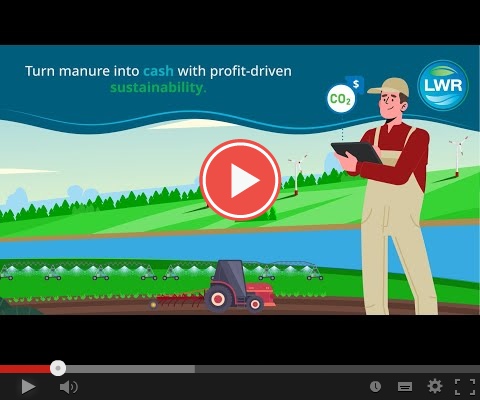
Want to see how we squeeze MORE from every drop of manure? click below to see the whole manure-to-value story in just one minute!
|
|
|
|
|
|
GIVE US THE GIFT OF FEEDBACK |
|
Whether you are an existing client, a future customer, an investor, or a cheerleader, we'd love to hear from you!
|
|
|
|
|
|
To ensure our updates continue to land right where they belong - in your inbox - be sure to give us a virtual high-five by marking this email as safe or adding us as a trusted contact!
|
|
|
|
|
|
|
|
This edition of Fast Facts has been prepared by:
|
|
|
|
|
|